What Is a Turning Center? Explaining Core CNC Lathe Components

A turning center is a CNC lathe that performs turning, drilling, and boring in a single setup. Its performance depends on the spindle, turret, control system, and bed rigidity. Understanding these parts helps buyers match the machine to part requirements.
- A turning center handles multiple operations in one setup, reducing part handling and setup time.
- The spindle, turret, and control system define the machine's capability and accuracy.
- Bed rigidity and tooling design affect surface finish and dimensional consistency.
- Buyers should match component quality to the tolerances and materials they plan to machine.
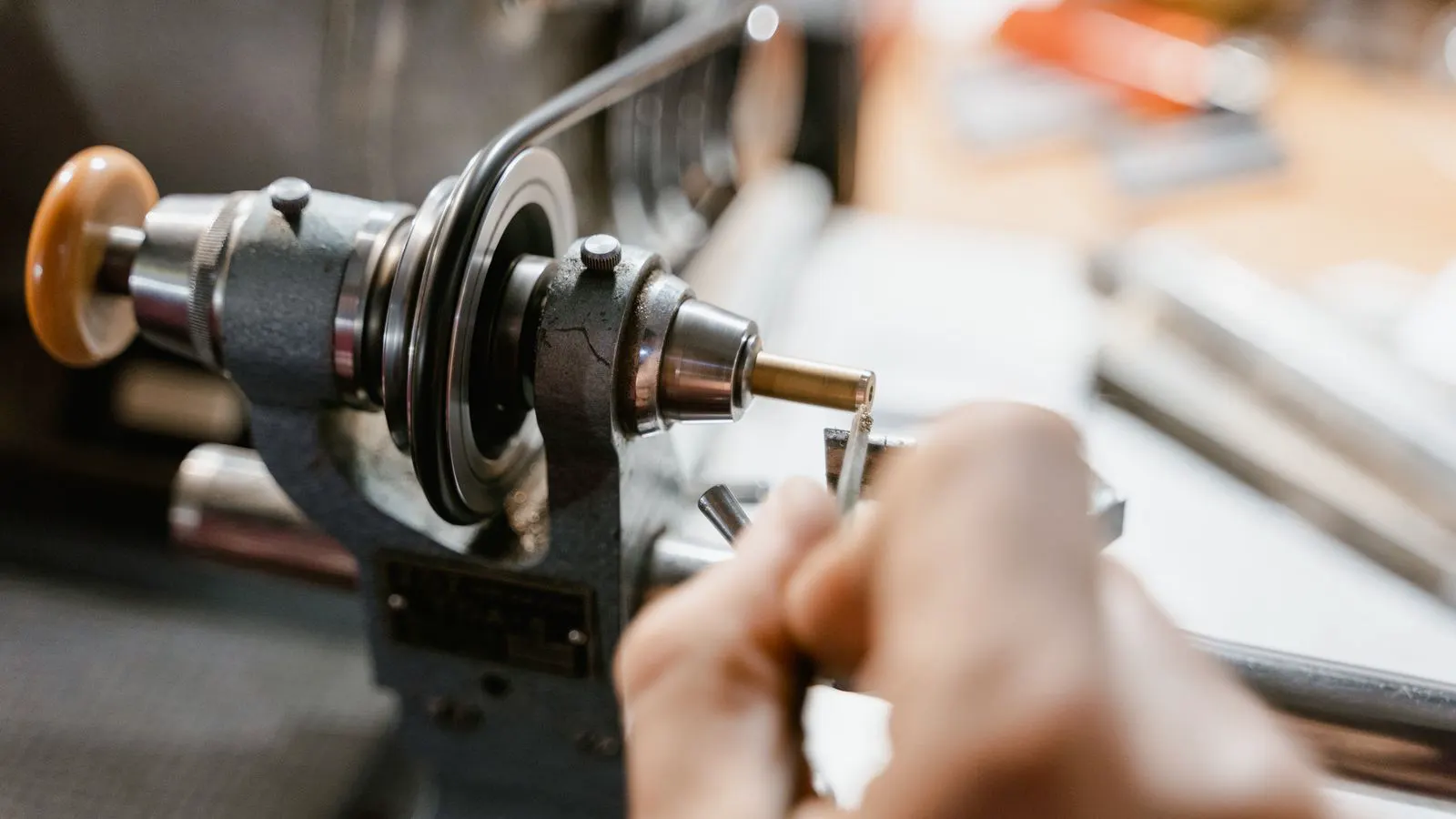
A turning center is a CNC lathe that performs turning, drilling, and boring without moving the workpiece between machines. The machine holds the part in a chuck or tailstock and rotates it while cutting tools remove material from the outside, inside, or end faces. This combined capability is what distinguishes it from a basic lathe, which may only perform external turning.
What Defines a Turning Center
A turning center is built around a rotating workpiece and a tool carriage that moves along the Z-axis. The machine can cut external diameters, drill holes, and bore internal diameters in one program. This setup reduces clamping errors and handling time compared to moving a part from a lathe to a separate drilling machine.
The term turning center also implies a certain level of automation and control. The machine uses a CNC controller to manage tool paths, feed rates, and spindle speed. It may include a hydraulic chuck, a tailstock, and a turret that holds multiple tools. These features allow the machine to handle complex parts without manual intervention between steps.
When sourcing a machine, the term turning center is a useful starting point, but it is not a complete specification. Two machines with the same model name can differ in spindle power, turret capacity, and control software. Buyers should verify the actual configuration before making a decision.
The Spindle and Its Impact on Performance
The spindle is the heart of a turning center. It holds the workpiece and rotates it at high speeds. Spindle power, speed range, and bearing quality determine how well the machine handles different materials and part geometries.
A high-speed spindle is useful for finishing operations where smooth surface finish is required. A high-torque spindle is better for roughing heavy work or machining dense materials. The difference matters when the part design demands both speed and force.
Spindles in turning centers are typically supported by ball bearings or hybrid bearings. These bearings reduce friction and improve positional accuracy. Over time, bearing wear can cause vibration and poor surface finish, which is why maintenance and alignment checks are important.
When evaluating a machine, check the spindle’s maximum speed, rated power, and the type of bearing used. A spindle that can only run at low speeds may struggle with small-diameter parts or high-precision finishing. A spindle with limited torque may not handle roughing passes on large bar stock.
The Turret and Tooling System
The turret, or tool head, holds the cutting tools and moves them into position as the program calls for each operation. The number of tool stations, the turret type, and the tool orientation all affect what the machine can do.
A standard turret in a turning center may hold between four and twelve tools. Each tool can be a single-point cutter, a boring bar, or a drilling tool. The arrangement of these tools determines the sequence of operations the machine can perform without stopping.
Tool orientation matters. Some turrets allow angled tools, which are useful for drilling at an angle or for certain facing operations. Other turrets are limited to straight-line tool paths. The tooling design also affects the machine’s reach and the types of parts it can handle.
When sourcing a turning center, review the turret capacity and the tooling system. A machine with a small turret may be enough for simple parts, but it may not handle a part that requires multiple boring operations. A larger turret with angled tool support offers more flexibility but may cost more and take up more space.
The Control System and Programming
The CNC control system manages the machine’s movements and tool changes. It reads the program and sends signals to the spindle, the turret, and the axes. The quality of the control affects the machine’s ability to hold tight tolerances and run complex programs reliably.
Most turning centers use a control system that supports G-code and M-code. The control also provides a user interface for setup, editing, and monitoring. A good control system makes it easier to troubleshoot issues and make adjustments without waiting for a vendor.
Programming a turning center involves defining the workpiece, the tools, and the tool paths. The program must account for the spindle speed, the feed rate, and the tool offsets. Errors in these settings can lead to poor surface finish or broken tools.
For buyers, the control system is a key factor in long-term usability. A machine with a familiar control interface reduces training time. A control system with good documentation and support makes it easier to maintain the machine over its life.
Bed Rigidity and Structural Design
The bed is the main frame of a turning center. It supports the spindle, the turret, and the tailstock. Bed rigidity affects how well the machine holds position during cutting. A rigid bed reduces vibration and improves dimensional consistency.
Turning centers typically use a cast iron bed or a welded steel frame. Cast iron is common because of its dampening properties. Welded steel may be lighter and easier to manufacture. Both materials can perform well if the design is sound.
The bed also determines the machine’s size and the range of part lengths it can handle. A longer bed allows for larger workpieces, but it increases the cost and the space required. Buyers should match the bed length to the longest part they plan to machine.
When inspecting a machine, check the bed for cracks, corrosion, or excessive wear. A bed that has lost its flatness can cause poor surface finish and inconsistent dimensions. Regular maintenance, including lubrication and alignment checks, helps preserve the bed’s performance.
How Turning Centers Work in a Typical Setup
A turning center operates by rotating the workpiece while cutting tools remove material. The process starts with loading the part into the chuck and securing it with a hydraulic or mechanical clamp. The program then runs, and the machine moves the tools into position as needed.
During roughing, the machine removes the bulk of the material. The spindle runs at a higher speed, and the tools make deep cuts. During finishing, the spindle may slow down, and the tools make shallow cuts to achieve the required surface finish and dimensions.
The machine can perform drilling and boring in the same setup. The tool changes from a roughing cutter to a boring bar, and the machine moves the tool into the hole to remove the remaining material. This sequence happens without moving the workpiece, which reduces setup time and improves accuracy.
The following table shows how each component affects the machine’s performance.
| Component | Function | Effect on Performance |
|---|---|---|
| Spindle | Rotates the workpiece | Determines speed, torque, and accuracy |
| Turret | Holds and moves cutting tools | Affects operation sequence and tool flexibility |
| Control System | Manages machine movements | Impacts programming ease and reliability |
| Bed | Supports spindle and turret | Affects rigidity and dimensional consistency |
| Chuck | Holds the workpiece | Impacts clamping force and part security |
The key to a successful setup is matching the machine’s components to the part’s requirements. A part that requires high-speed finishing needs a spindle with good high-speed performance. A part that requires heavy roughing needs a spindle with high torque. A part with multiple boring operations needs a turret with enough tool stations and the right tool orientation.
Sourcing Considerations for Buyers
When sourcing a turning center, buyers should focus on the configuration rather than the model name alone. Two machines with the same base model can differ in spindle power, turret capacity, and control software. The configuration determines what the machine can do and how well it can do it.
The first step is to define the part requirements. Identify the material, the dimensions, the tolerances, and the surface finish. These factors determine the spindle speed, torque, and tooling needed. A part made from aluminum may run at a higher speed than a part made from steel. A part with tight tolerances may require a more rigid bed and a higher-quality control system.
The second step is to review the machine’s specifications. Check the spindle power, the maximum speed, the turret capacity, and the bed length. Verify that the machine can handle the longest and heaviest parts in the production run. Look for details about the bearing type, the control system, and the tooling options.
The third step is to consider maintenance and support. A machine that requires frequent maintenance or that has limited vendor support can cause downtime. A machine with good documentation and local service support is easier to keep running. Buyers should also consider the cost of tooling and the availability of replacement parts.
A worked example makes this clearer. A buyer needs to produce a shaft with a large-diameter roughing pass and a small-diameter finishing pass. The shaft is made from a medium-carbon steel and must hold a tight tolerance on the finished diameter. The buyer needs a machine with a spindle that can handle the roughing torque and the finishing speed. The turret must hold both a roughing cutter and a finishing tool. The bed must be rigid enough to hold the finishing diameter within tolerance. A machine with a high-torque spindle, a turret with at least four tool stations, and a rigid cast iron bed would meet these requirements. A machine with a high-speed spindle but low torque would struggle with the roughing pass. A machine with a small turret might not have enough tool stations for the required operations.
The buyer should also consider the control system. A control system with good documentation and a familiar interface reduces training time. A control system with local support makes it easier to troubleshoot issues. The buyer should ask the vendor for details about the control system, the tooling options, and the maintenance requirements.
Final Thoughts
A turning center is a CNC lathe that performs turning, drilling, and boring in one setup. Its performance depends on the spindle, the turret, the control system, and the bed rigidity. Each component plays a role in determining the machine’s capability and accuracy.
Buyers should match the machine’s configuration to the part’s requirements. A part that requires high-speed finishing needs a spindle with good high-speed performance. A part that requires heavy roughing needs a spindle with high torque. A part with multiple boring operations needs a turret with enough tool stations and the right tool orientation.
Understanding these components helps buyers make an informed decision. It also helps them ask the right questions when evaluating a machine. The goal is to find a machine that can handle the production run reliably and efficiently. A machine that is well-matched to the part’s requirements will deliver better results and lower long-term costs.
Frequently asked questions
What is the difference between a turning center and a basic CNC lathe?
A turning center performs turning, drilling, and boring in one setup. A basic CNC lathe may only perform external turning. The turning center's combined capability reduces setup time and improves accuracy for parts that require multiple operations.
How does the spindle affect the machine's performance?
The spindle determines the machine's speed, torque, and accuracy. A high-speed spindle is useful for finishing operations. A high-torque spindle is better for roughing heavy work. The bearing quality also affects the machine's ability to hold position during cutting.
What should I look for in the turret?
Look at the number of tool stations, the tool orientation, and the tooling system. A larger turret with angled tool support offers more flexibility. A smaller turret may be enough for simple parts. The tooling design affects the machine's reach and the types of parts it can handle.
How important is bed rigidity?
Bed rigidity affects how well the machine holds position during cutting. A rigid bed reduces vibration and improves dimensional consistency. A bed that has lost its flatness can cause poor surface finish and inconsistent dimensions. Regular maintenance helps preserve the bed's performance.
How do I choose the right turning center for my production run?
Define the part requirements first. Identify the material, the dimensions, the tolerances, and the surface finish. These factors determine the spindle speed, torque, and tooling needed. Then review the machine's specifications and match them to the part's requirements.