CNC Machine Builder: OEM vs. Reseller Differences
A CNC machine builder acts as the direct manufacturer, while a reseller buys and distributes finished equipment. The choice affects warranty terms, spare parts access, and technical support. Buyers must match the purchase model to their need for customization and long-term service.
- An OEM manufacturer controls design, machining, and assembly, offering direct control over specifications.
- A machine reseller simplifies procurement and local support but often provides standard configurations.
- Warranty terms differ significantly because the reseller may act as a proxy for the manufacturer.
- Buyers should verify who handles troubleshooting, spare parts, and major service calls.
- Sourcing decisions depend on the balance between custom engineering and local convenience.
What defines a direct manufacturer
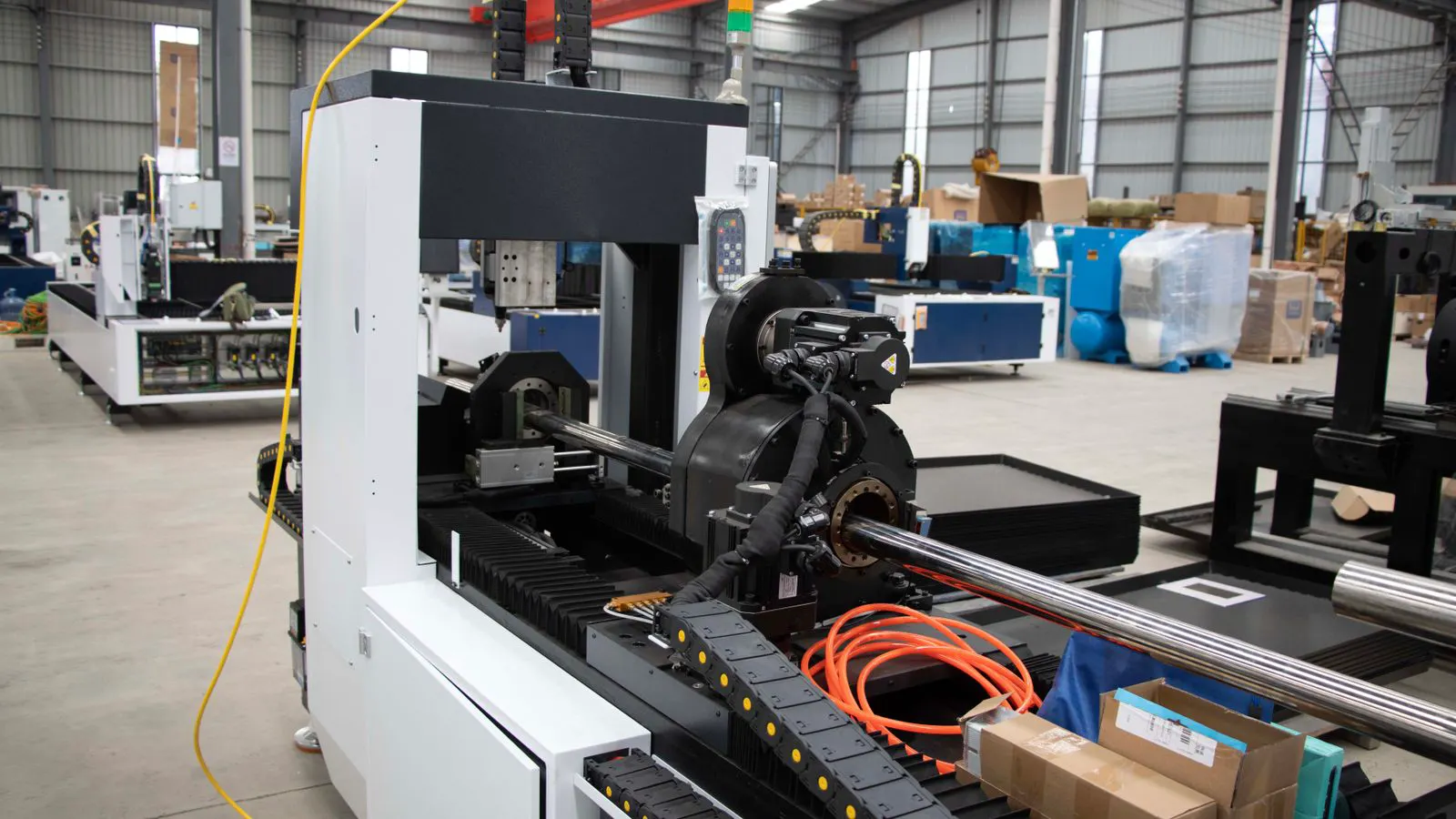
A direct manufacturer builds the CNC machine from its own engineering drawings. The company owns the process design, selects the structural components, and assembles the final unit. This model is often referred to as the OEM manufacturer role. The firm controls the entire production cycle. It designs the control interface, selects the spindle motors, and determines the structural tolerances. Every unit that leaves the plant carries the manufacturer’s brand and quality stamp.
This structure gives the buyer direct access to the engineering team. If a customer needs a specific tooling interface or a modified enclosure, the factory can often adapt the design. The manufacturer also holds the primary responsibility for the warranty. In practice, this means the buyer talks to the people who wrote the code and set the tolerances. A direct manufacturer can explain why a particular linear guide size was selected or why a certain spindle bearing arrangement was chosen. It can also provide access to the revision history of the machine’s control software.
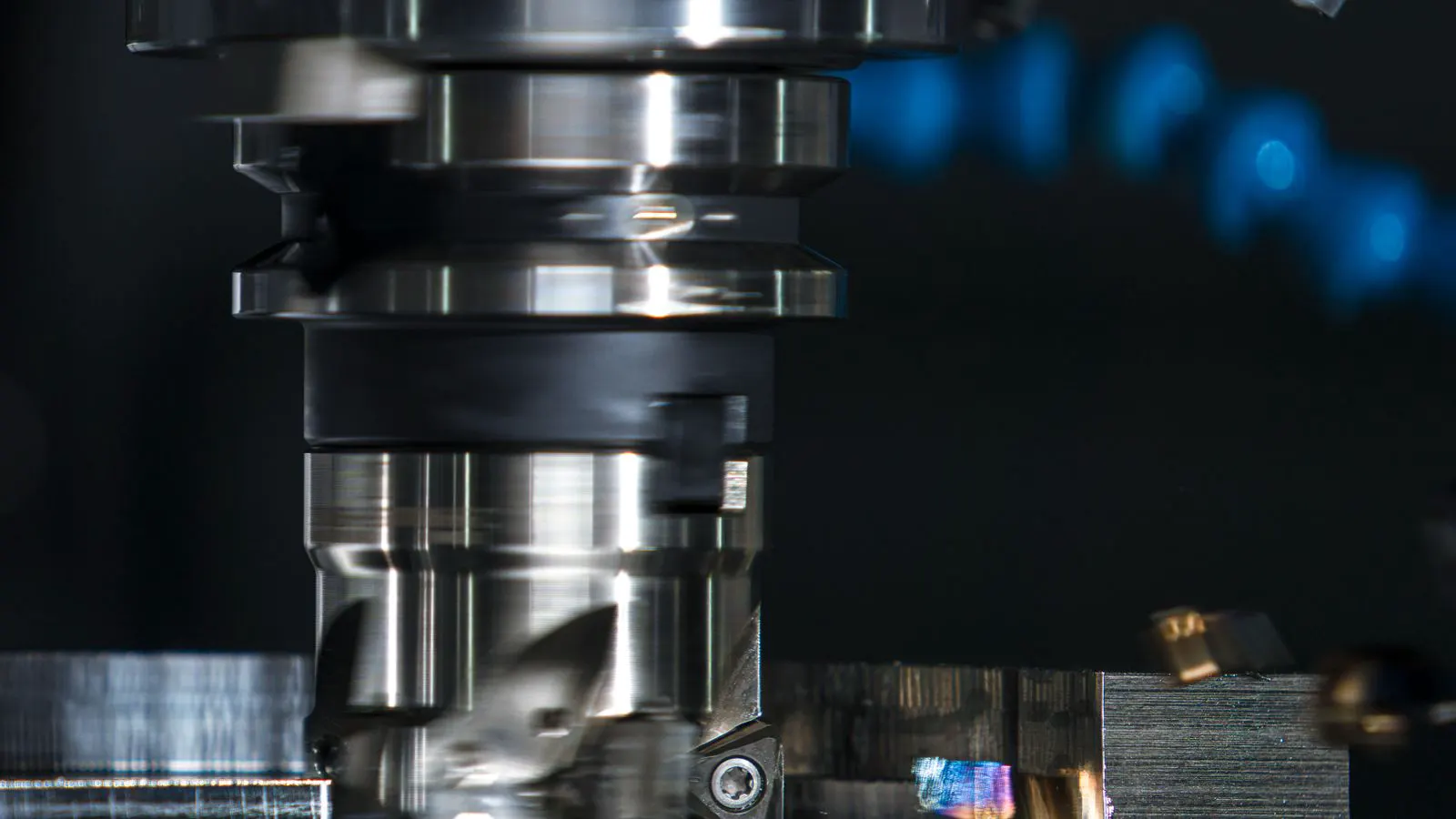
The advantage of this model is control. The buyer can request a specific thermal compensation feature, a particular coolant filtration setup, or a modified control cabinet layout. The manufacturer’s engineering team can review these requests and integrate them into the build. This level of access is valuable when the machine will run a specific product line that has strict requirements for repeat accuracy. The direct manufacturer also manages the supply chain for critical components. If a spindle motor is found to have a defect, the manufacturer can trace the serial number and replace the part with a verified unit.
However, the direct manufacturer may not have a local service team. If the machine is located in a different country, the buyer may have to rely on remote support or a third party for on-site maintenance. The manufacturer’s response time for urgent repairs can be slower if the service engineer must travel from a central hub. The buyer must factor this logistics cost into the long-term evaluation.
What defines a third-party distributor
A machine reseller purchases finished equipment from the manufacturer and sells it to end users. The distributor does not design the machine. It buys the standard configuration, adds local installation services, and handles the sale. This model is common in regions where the manufacturer has no local office. The reseller acts as the bridge. It manages shipping, customs clearance, and on-site training. The buyer deals with one local contact for the entire transaction.
This structure simplifies procurement for the buyer. The reseller handles the paperwork, including export licenses and local tax documentation. The reseller also coordinates the installation. A local technician can arrive on site, verify the level of the machine, and connect the electrical supply. The buyer can rely on the reseller to manage the handover from the manufacturer’s shipping container to the production floor.
The reseller may offer financing options or extended service plans. However, the technical design remains fixed. The distributor cannot change the internal architecture of the machine. It can only offer the configurations the manufacturer has approved for sale in that region. For example, if the manufacturer sells a five-axis mill with a standard rotary table in the local market, the reseller cannot promise a custom rotary table with a different torque rating unless the manufacturer explicitly authorizes that configuration.
The reseller’s role shifts from design to logistics and local support. The reseller must maintain inventory of common spare parts, such as fuses, filters, and drive belts. This stock allows the reseller to perform minor repairs quickly without waiting for a shipment from the factory. The reseller also provides local language documentation and user manuals. This helps the shop’s operators and maintenance staff understand the machine’s controls and safety features.
How warranty terms differ
The warranty is the most visible difference between the two sourcing models. With a direct manufacturer, the warranty is issued by the company that built the machine. The terms are usually uniform across all customers. The manufacturer defines what is covered, how long the coverage lasts, and what response times apply. The warranty document typically lists specific components, such as the spindle motor, linear guides, and control electronics. It also specifies exclusions, such as damage from improper tooling or failure to follow maintenance schedules.
With a reseller, the warranty is usually passed through from the manufacturer. The reseller acts as the service point. The buyer files a claim with the local distributor. The distributor then coordinates with the manufacturer. This added layer can slow down the initial response. The reseller may need to diagnose the issue before escalating it. The manufacturer may also require the reseller to perform certain checks before sending parts. The buyer should ask who is legally liable if the reseller and manufacturer disagree on a claim.
The warranty duration can vary by region. The manufacturer may offer a standard two-year warranty in its home market but a shorter term in other regions due to shipping or support costs. The reseller may add its own service contract on top of the manufacturer’s warranty. This additional contract may cover labor costs for service calls or extended parts coverage. The buyer must compare these terms carefully. A longer manufacturer warranty is only useful if the local reseller has the authority to enforce it. If the reseller refuses to escalate a valid claim, the buyer may have to pursue the manufacturer directly, which can be complicated by jurisdictional differences.
Impact on technical support
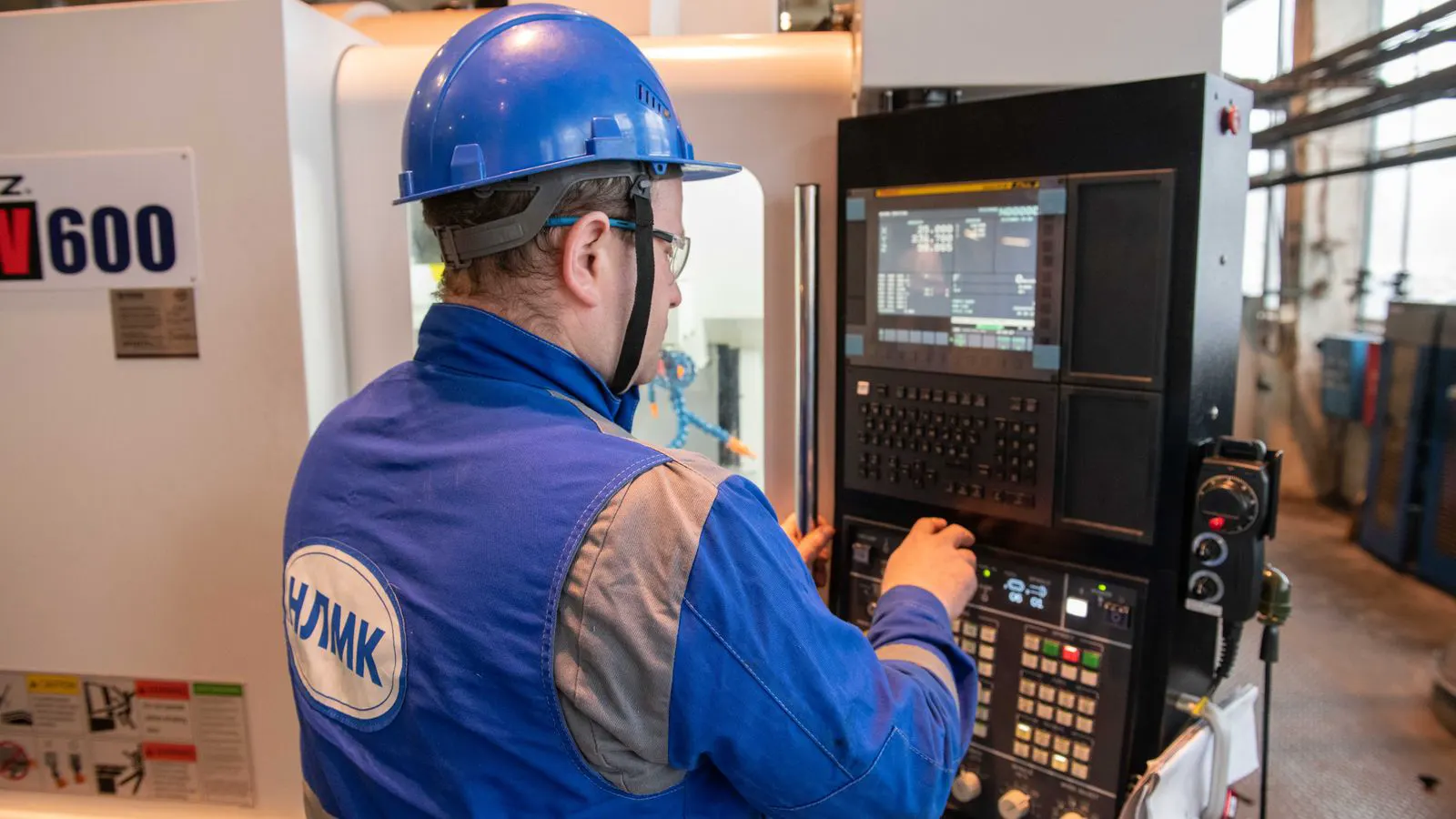
Technical support depends on the relationship between the buyer and the builder. A direct manufacturer can provide deep technical support. Engineers can review the machine’s specific configuration and advise on programming, maintenance, and troubleshooting. The manufacturer’s support team can access the machine’s diagnostic logs remotely if the buyer agrees to connectivity. This access allows the engineer to identify issues such as encoder drift or servo parameter errors without a physical visit.
A reseller provides local support. The technician is on-site and can respond quickly to minor issues. However, the reseller may lack the deep engineering knowledge needed for complex control errors or spindle issues. In these cases, the reseller must contact the manufacturer. The quality of support also depends on the reseller’s expertise. Some resellers have in-house engineers who understand the machine deeply. Others rely on vendor documentation and basic troubleshooting. Buyers should ask for references from similar customers who purchased through that reseller.
The depth of support matters most when the machine encounters a production-critical failure. If a reseller’s technician cannot resolve a spindle alarm, the downtime extends until the manufacturer’s engineer can review the issue. The direct manufacturer can often provide a solution within hours, even if it requires remote access. The reseller may take days to coordinate a visit from a specialist. The buyer should evaluate the support structure based on the machine’s role in the production schedule. A machine that runs 24/7 on a critical product line requires a faster support response than a machine used for batch jobs.
A worked example of the sourcing decision
Consider a machine shop that produces aerospace brackets. The shop needs a five-axis milling machine with a specific fixture interface. The fixture must accommodate a unique clamping system developed by the shop’s engineering team. The clamping system uses a series of pneumatic pins that require a specific mounting pattern on the machine’s table.
If the shop buys from a reseller, the standard machine may not accommodate the fixture. The reseller cannot modify the machine. The shop would have to buy a larger or different model, or build a custom adapter. The adapter adds weight and may affect accuracy. It also adds a potential point of failure. If the adapter shifts during a high-speed cut, the workpiece may move, leading to scrap parts. The reseller may not be able to support the adapter design, leaving the shop to manage the engineering risk entirely.
If the shop buys from the direct manufacturer, the engineering team can review the fixture design. The manufacturer can modify the machine’s table or spindle head to accept the clamping system. The resulting machine is built to the shop’s specific needs. The process takes longer because the manufacturer must adjust the production schedule. The engineering team must verify that the modification does not interfere with the machine’s thermal expansion or structural rigidity. But the final machine performs better for that specific application. The shop also gains the ability to request future modifications to the fixture interface as its product mix changes.
This example highlights the trade-off between flexibility and speed. The reseller offers a quicker delivery of a standard machine. The direct manufacturer offers a tailored solution that fits the shop’s specific workflow. The buyer must decide which risk is more acceptable: the risk of a mismatched standard machine or the risk of a longer lead time for a custom build.
How to evaluate the builder’s quality systems
Before choosing a builder, review the quality management practices. The manufacturer should maintain documented processes for machining, assembly, and testing. The reseller should provide access to these documents. The quality system is not just a certificate on a wall. It is a set of procedures that ensures every machine meets the same standard. The buyer should ask for the quality manual or a summary of the inspection process.
Key items to check include the inspection reports, calibration records, and material certificates. The manufacturer should be able to provide traceability for critical components. For example, the manufacturer should be able to identify the batch of steel used for the column or the serial number of the spindle bearings. This traceability is useful if a component defect appears in the field. The reseller should confirm that the manufacturer provides these records for every unit sold.
The buyer should also assess the training program. A manufacturer or reseller that offers structured operator training reduces the risk of misuse. The training should cover daily maintenance, error codes, and basic troubleshooting. A good training program includes hands-on practice with the specific control interface of the machine. The buyer should ask how many hours of training are included in the purchase and whether the training is provided by the manufacturer’s engineers or by the reseller’s technicians.
Another factor is the machine’s testing protocol. A quality manufacturer tests the machine’s geometric accuracy after assembly. This test involves using a laser interferometer or a high-precision probe to measure the machine’s positioning error. The test results should be available to the buyer. If the machine does not meet the specified tolerance, the manufacturer should perform adjustments before shipping. The reseller should not accept a machine that has not passed this final acceptance test.
Common sourcing mistakes
Buyers often focus on the purchase price and ignore the long-term cost of ownership. A cheaper machine from a reseller may require more frequent service calls. The local support may be slower to resolve issues. The total cost of downtime can outweigh the initial savings. A machine that is down for two days due to a support delay can cost more in lost production than the difference in purchase price between two machines.
Another mistake is assuming the reseller has the same technical authority as the manufacturer. The reseller may not be able to approve custom modifications. The buyer should get all technical approvals in writing. If the reseller promises a specific feature, such as a longer tool magazine or a specific control upgrade, the buyer must confirm that the manufacturer has approved that feature for that region. Verbal promises are not binding.
Finally, buyers should not assume the warranty is the same regardless of the sales channel. The reseller may offer a shorter warranty or exclude certain components. The buyer must read the warranty document carefully and understand who is responsible for each type of repair. A warranty that covers parts but not labor can be less valuable than a shorter warranty that covers both. The buyer should also check the warranty response times. A one-year warranty with a 48-hour response time may be more practical than a two-year warranty with a 14-day response time.
Sourcing decision framework
The choice between a direct manufacturer and a reseller depends on three factors. The first is the need for customization. If the machine must be modified, a direct manufacturer is usually the better choice. The second is the need for local support. If the buyer is far from the manufacturer’s headquarters, a reseller offers convenience. The third is the warranty structure. The buyer should compare the terms of both options and understand the liability.
A direct manufacturer offers control and custom engineering. A reseller offers local presence and simplified procurement. The right choice aligns with the shop’s production needs and support requirements. The buyer should also consider the machine’s lifecycle. If the machine will be in service for ten years, the quality of the support network becomes more important than the initial price. A reliable reseller with good local support may be worth more than a cheaper machine with a distant manufacturer.
The buyer should create a comparison matrix for the final decision. List the technical specifications, the warranty terms, the support response times, and the total cost of ownership. Include the cost of potential downtime and the cost of custom modifications if needed. This matrix helps remove emotional bias from the decision. It forces the buyer to weigh the practical implications of each option.
Summary of key differences
The table below outlines the main differences between the two sourcing models.
| Feature | OEM Manufacturer | Machine Reseller |
|---|---|---|
| Design Control | Direct control over design and configuration | Limited to standard manufacturer configurations |
| Warranty Issuer | Directly issued by the manufacturer | Passed through from the manufacturer |
| Technical Support | Deep engineering access available | Local service with escalation to manufacturer |
| Customization | Easier to approve custom modifications | Difficult to modify standard hardware |
| Response Time | May be slower if no local office | Faster local response for minor issues |
| Documentation | Direct access to engineering records | Relies on manufacturer-provided records |
Frequently asked questions
Can I get the same warranty from a reseller as from the direct manufacturer?
Usually, the warranty terms come from the manufacturer. However, the reseller may offer additional local service plans. The buyer must read the specific documents to confirm the coverage.
Is a reseller a bad choice for high-volume production?
Not necessarily. A reseller can be a good choice if they have strong local support and the machine does not need customization. The key is verifying the service capability.
Who handles the shipping and installation for a direct manufacturer purchase?
The manufacturer typically handles international shipping, but the buyer often arranges local delivery and installation. The manufacturer may provide remote setup support.
Can I modify a machine I bought from a reseller?
Modifications are possible but difficult. The reseller cannot change the hardware. The buyer must contact the manufacturer for approval and engineering support.
What is the biggest risk of buying from a reseller?
The biggest risk is limited technical support. If a complex issue arises, the reseller may not have the expertise to resolve it quickly. The buyer relies on the manufacturer's remote support.